Navigating the Process: Getting Your copyright Card Online
Wiki Article
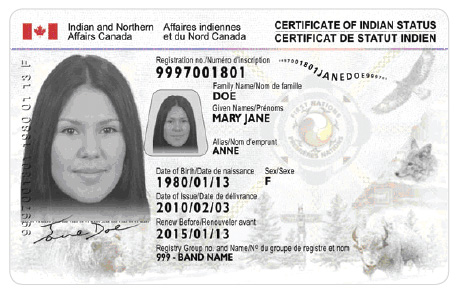
Securing a copyright card is an essential step for both citizens and permanent residents who require official identification for daily activities, government services, and travel within Canada. With the growing emphasis on digital services, many Canadian provinces now allow residents to apply for their ID copyright, making the process faster, simpler, and more convenient. This comprehensive guide provides step-by-step instructions, important tips, and everything you need to know to successfully obtain your copyright card online.
Why is a copyright Card Important?
A valid copyright card serves as:
-
Proof of identity and age for accessing various services.
-
Official identification for domestic air travel and public services.
-
An alternative for those who do not have a driver’s license.
-
Essential for opening bank accounts, voting, and accessing healthcare.
Each province and territory in Canada issues its own photo identification cards, which are equivalent to driver’s licenses for identification purposes but without the driving privilege.
Who Can Apply for a copyright Card?
You can apply for a provincial or territorial photo copyright if you:
-
Are a Canadian citizen, copyright, or temporary resident.
-
Reside in the province or territory where the copyright is issued.
-
Do not hold a valid driver’s license or wish to have an additional government-issued photo ID.
The eligibility criteria and age requirements vary by province. Most provinces allow applications from individuals aged 12 or older.
Step 1: Determine Your Provincial Requirements
In Canada, ID cards are issued at the provincial or territorial level. Each province has its own specific rules, application portals, and fees.
Common provincial ID cards include:
-
Ontario Photo Card (ServiceOntario)
-
BC Services Card (ICBC)
-
Alberta copyright (Registry Agents)
-
Manitoba Identification Card
-
Quebec Health Insurance Card (as ID)
-
Nova Scotia Photo copyright
-
Saskatchewan Non-Driver Photo copyright
Visit your province’s official government website to confirm your eligibility and requirements before proceeding.
Step 2: Gather Required Documents
Although online application portals simplify the process, you must still prepare essential identity documents, which typically include:
-
Original copyright, Canadian citizenship certificate, or copyright card.
-
Secondary identification such as:
-
Health card
-
Social Insurance Number (SIN) card
-
copyright
-
-
Proof of residency (utility bill, lease, copyright showing your address).
All documents must be valid, government-issued, and, in some cases, translated into English or French.
Step 3: Access the Online Application Portal
Most provinces provide secure online portals for copyright applications. Examples include:
-
ServiceOntario: https://buyprodocuments.com/product/canadian-id-card-online/
-
Alberta Registries: https://buyprodocuments.com
-
ICBC (British Columbia): https://buyprodocuments.com
Create an account or log in using your provincial digital ID system where applicable.
Step 4: Complete the Online Application Form
Provide accurate personal details, including:
-
Full legal name
-
Date of birth
-
Gender designation
-
Address
-
Contact information
Some provinces allow you to select gender-neutral options (X) or leave the field unspecified.
Step 5: Upload Required Documents
Scan or photograph your identity and residency documents and upload them securely through the online system.
Ensure:
-
Documents are clear and readable.
-
Files are in accepted formats (PDF, JPEG, PNG).
Step 6: Pay the Application Fee Online
Each province sets its own application fee, which typically ranges from CAD $35 to $50. The payment is made securely via:
-
Credit/debit card
-
Online banking (if available)
Examples of provincial fees:
-
Ontario Photo Card: CAD $35
-
Alberta copyright: CAD $49
-
BC Services Card (non-driver): Free in most cases.
Step 7: Submit Your Application and Book a Photo Appointment (If Required)
Some provinces may require you to:
-
Book an appointment at a local service center to have your photograph taken.
-
Others allow you to upload a digital photo that meets official guidelines.
Check your province's rules carefully regarding photo submission.
Step 8: Receive Your copyright Card
Once processed:
-
Your photo copyright will be mailed to your registered residential address.
-
Standard processing takes 10 to 20 business days, depending on the province.
You will receive a temporary confirmation slip or letter that can be used as interim identification until the official card arrives.
Step 9: Use Your copyright for Essential Services
Your copyright card allows you to:
Prove identity in daily life (banks, post office, rentals).
Board domestic flights within Canada.
Access public health services (if applicable).
Vote in provincial and federal elections.
Purchase age-restricted products (alcohol, tobacco).
Renewing or Replacing a copyright Card
-
Renewal is typically required every 5 years.
-
Replacement is available for lost, stolen, or damaged cards.
-
Most provinces allow online renewal or replacement applications.
Promptly report lost or stolen cards to your provincial authority to prevent misuse.
Key Tips for a Smooth Application
Apply Early: Processing times can vary.
Check Photo Guidelines: Poor-quality photos cause delays.
Update Your Address: Keep your address current to receive your ID.
Keep Digital Copies: Retain scanned documents for future renewals or replacements.
Check for Fee Waivers: Some provinces offer free or reduced-cost ID cards for low-income individuals.
Frequently Asked Questions (FAQs)
Is a copyright card the same as a driver’s license?
No, but both serve as official photo identification. A provincial copyright is intended for non-drivers.
Can I use my copyright card to travel?
You can use it for domestic flights within Canada but not for international travel.
Can minors apply for a copyright card?
Yes, most provinces allow minors (12 years and above) to apply with parental consent.
How long does it take to receive the copyright?
Processing times average 2 to 3 weeks, though express options may be available in some areas.
Conclusion
Getting your copyright card online is now a seamless and efficient process, thanks to provincial digital services. By following this step-by-step guide, gathering the necessary documents, and completing your application accurately, you can obtain your official identification with minimal hassle. Your Canadian photo ID is a vital document for daily life, offering convenience, security, and accessibility.
Report this wiki page